A bikini trimmer and Trimmer vs. Other Grooming Tools: Which Fits Your Routine?
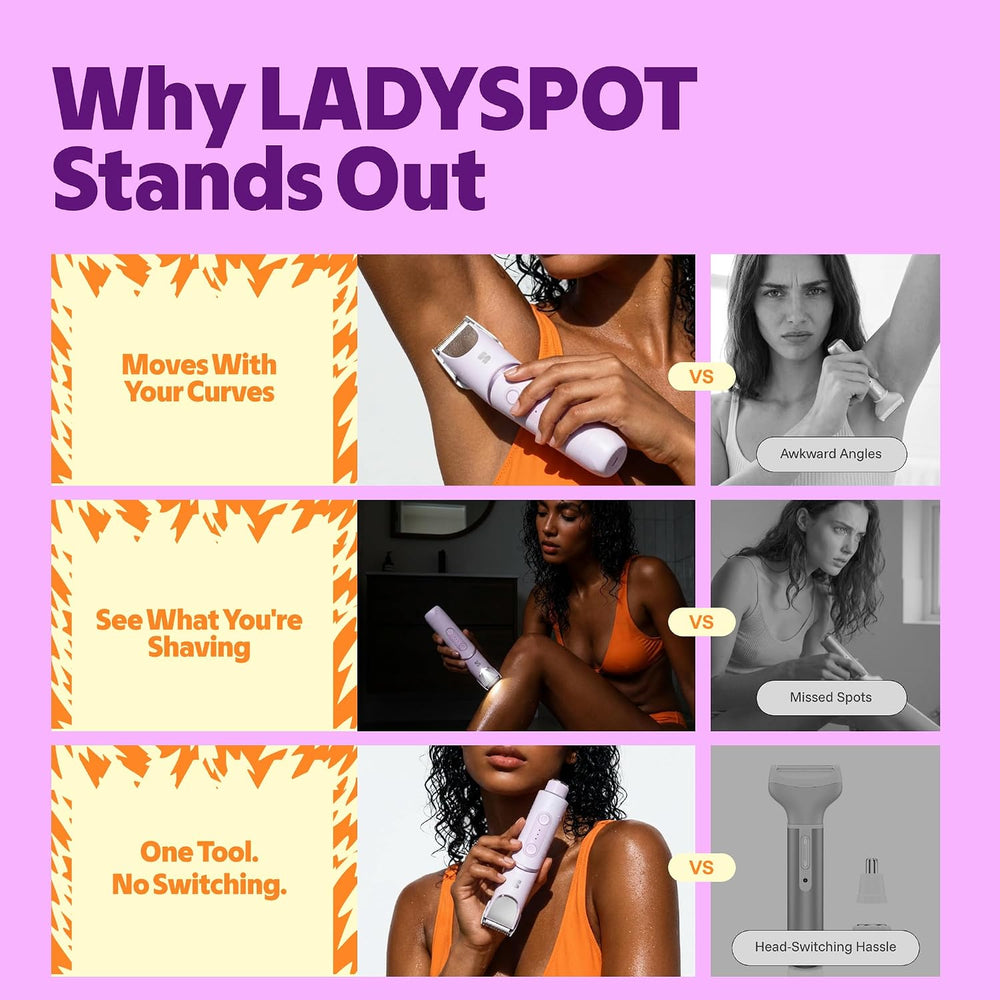
Choosing between a bikini shaver and trimmer becomes much easier when you understand that these tools are designed for different stages of grooming. A trimmer is mainly used for controlling hair length and creating a manageable base, while a shaver or razor focuses on achieving a closer finish. For many routines, the best choice depends on whether you need length management, a smoother surface, easier maintenance, or a tool that fits specific body areas. Instead of looking for one universal winner, compare each tool by its purpose and how it fits into your personal routine.
Understanding the Role of Each Grooming Tool
Different grooming tools are often compared as if they perform the same task, but their designs usually focus on different outcomes. Understanding these roles helps you choose a tool based on what you actually need.
A trimmer is built for controlling hair length. It removes excess hair while leaving some length behind, making it useful when you want a neat appearance without a completely close finish. Trimmers are often helpful for the first step of grooming because they reduce longer hair and make later finishing easier.
A groomer is a broader category that usually refers to a versatile tool designed for multiple body areas. Depending on the design, a groomer may include different attachments or settings for adjusting length and handling different grooming needs.
A shaver focuses more on reducing visible hair close to the skin. It is typically used when the goal is a smoother finish rather than simply shortening hair.
A razor uses blades that directly cut hair at or near the skin surface. It can provide a very close shave, but it also requires more attention to technique, skin preparation, and maintenance of the blade.
The key difference is not which tool is automatically better. The difference is what problem each tool is designed to solve.
Trim First, Finish Second: Why Tool Order Matters
Many grooming routines work better when they follow two stages: controlling length first, then refining the final result.
Longer hair can make close finishing more difficult because the cutting surface may need to handle more volume at once. Starting with a trimmer can help create a more manageable length, allowing the finishing tool to work more efficiently.
This approach is especially useful when grooming areas that require more control. The goal is not always maximum closeness. For many users, a balanced routine means finding the right combination of control, comfort, and maintenance.
A system that combines trimming and closer finishing can be valuable because it follows the natural order of the grooming process:
-
Reduce excess length.
-
Adjust the shape or coverage area.
-
Complete the final finish based on your preference.
-
Clean and maintain the tool for future use.
This process-based view is more useful than comparing tools only by how close they can cut.
Bikini Shaver and Trimmer Comparison Guide
| Tool | Main Purpose | Best For | Main Consideration |
|---|---|---|---|
| Bikini trimmer | Length control and shaping | Managing longer hair and maintaining a preferred length | Usually does not create the closest finish |
| Bikini shaver | Closer finishing | Users who prefer a smoother appearance | Requires attention to skin sensitivity and technique |
| Body groomer | Multi-area grooming | Users who want one tool for different areas | Versatility may involve trade-offs in specialization |
| Razor | Very close shaving | Users prioritizing a close result | Requires careful handling and regular blade care |
The right choice depends on your routine rather than a single feature. Someone who mainly wants quick length control may have different priorities from someone who wants a smoother finish.
For users looking at a combined approach, a bikini shaver and trimmer setup can represent a workflow where trimming and finishing support different parts of the same routine.
Which Tool Fits Different Grooming Scenarios?
The best tool often changes depending on the situation. Thinking about your routine before buying can prevent choosing a tool that does not match your actual needs.
For regular maintenance:
A trimmer may be the practical option when the main goal is keeping hair at a comfortable and controlled length. It focuses on consistency rather than maximum closeness.
For a smoother finish:
A shaver or razor may be more suitable when the final appearance matters more than preserving length. However, users should consider their own preferences and how their skin responds to different grooming methods.
For multiple body areas:
A groomer can be useful when flexibility is important. A multi-purpose device may reduce the number of tools needed, although specialized tools may offer more focused control for certain tasks.
For occasional grooming changes:
A combination of trimming and finishing tools can provide more flexibility because it allows adjustment between different levels of closeness.
Instead of asking “Which tool is the best?” a better question is “Which tool matches the result I want?”
Maintenance and Practical Trade-Offs
Tool selection is only part of the grooming experience. Maintenance habits can affect performance, hygiene, and how long a tool remains useful.
Cleaning is an important consideration because hair and product residue can build up after repeated use. Following the manufacturer’s care instructions helps keep cutting components working properly.
Storage also matters. A dry, clean storage area can help protect the device and accessories between uses.
Different tool types also have different maintenance expectations:
-
Trimmers may require regular cleaning around the cutting area.
-
Shavers may need attention to the shaving surface and replacement parts when applicable.
-
Razors require careful blade management and should be replaced when the blade no longer performs as expected.
-
Multi-function groomers may require checking and maintaining several attachments.
A tool that fits your lifestyle is often easier to maintain consistently than one that provides features you rarely use.
How to Choose the Right Grooming Tool for Your Routine
Before making a decision, consider these questions:
1. What result do you want?
If you mainly need length control, prioritize trimming ability. If you want a closer finish, consider tools designed for finishing.
2. Which areas will you groom?
Different body areas may require different levels of control, precision, and comfort. A tool designed for one purpose may not always be ideal for every situation.
3. How much maintenance do you prefer?
Some users prefer a simple routine with fewer steps, while others prefer a multi-stage approach that provides more flexibility.
4. Do you value versatility or specialization?
A versatile tool can be convenient, while a specialized tool may better match a specific grooming goal.
A good choice is not necessarily the tool with the most features. It is the one that fits the way you actually use it.
Final Thoughts: Choose Based on Your Routine, Not a Winner
Bikini shavers, trimmers, groomers, and razors each serve different purposes. A trimmer helps manage length, a shaver focuses on closer finishing, a groomer offers broader flexibility, and a razor provides a traditional close-shaving approach.
The most effective decision comes from understanding the role of each tool and matching it to your preferred routine. When you know whether your priority is control, finish, versatility, or simple maintenance, choosing the right grooming tool becomes a much clearer process.