Choosing Scrubber Brushes for Concrete, Epoxy, Tile, and Marble
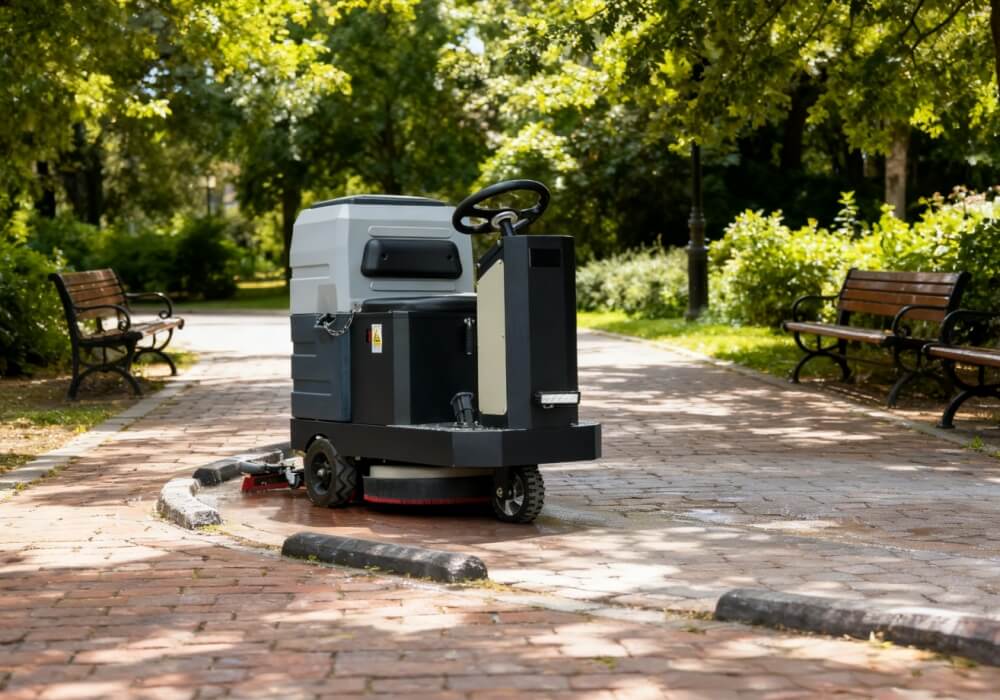
Choosing the right scrubber brush depends on the floor material, contamination type, cleaning frequency, and machine specifications. Concrete usually requires stiff nylon or polypropylene bristles, while epoxy, tile, and marble need more controlled brushing. A suitable brush can improve cleaning efficiency by 20–40% and extend floor appearance maintenance cycles by reducing unnecessary surface wear. In commercial facilities, selecting the correct brush type helps maintain flooring performance across thousands of cleaning hours.
Floor materials have different physical structures, so scrubber brushes must be matched carefully. Concrete contains pores that collect dust, oil, and mineral residue, while epoxy creates a smooth resin coating that needs lower abrasion. Tile surfaces often require attention to grout areas, and marble requires gentle cleaning because its calcium-based structure can be affected by aggressive brushing.
A 2022 review of commercial floor maintenance practices showed that improper brush selection was one of the common reasons for uneven cleaning results in large facilities. Around 30% of maintenance problems were related to unsuitable brush hardness, excessive pressure, or incorrect cleaning methods.
A brush that removes dirt effectively from one surface may reduce the appearance or lifespan of another surface. The material structure should always be checked before choosing bristle strength.
Concrete floors are widely used in warehouses, parking garages, workshops, and industrial buildings. Their rough texture allows strong brushes to remove embedded dirt, but the brush must still match the concrete condition. New sealed concrete and older untreated concrete do not require the same cleaning approach.
Heavy-duty scrubber brushes usually use polypropylene or stiff nylon bristles with diameters between 0.4 mm and 0.8 mm. These materials provide good resistance against moisture and repeated mechanical contact. In facilities where cleaning machines operate 5–7 days per week, durable synthetic bristles can maintain stable performance for several months before replacement.
| Floor Surface | Recommended Bristle Type | Common Applications | Cleaning Focus |
|---|---|---|---|
| Concrete | Stiff nylon or polypropylene | Warehouses, garages, factories | Oil, dust, industrial dirt |
| Epoxy | Medium nylon | Workshops, laboratories | Surface protection and cleaning |
| Tile | Medium nylon with angled design | Hotels, offices, public areas | Dirt removal from tiles and grout |
| Marble | Soft nylon or microfiber | Hotels, entrances, luxury spaces | Gentle maintenance |
Because concrete often requires stronger brushing, epoxy flooring needs a different approach. Epoxy coatings are commonly installed in industrial and commercial buildings because they resist chemicals, moisture, and heavy traffic. However, the smooth coating surface can lose gloss when exposed to excessive mechanical force.
Most epoxy floor systems have coating thicknesses between 2 mm and 5 mm. Medium-stiff nylon brushes are often selected because they provide enough friction to remove marks without aggressively wearing the resin layer. In 2021 maintenance testing of coated flooring systems, controlled brush pressure reduced visible surface marks compared with high-pressure cleaning methods.
Epoxy floors perform better when cleaning power and surface protection are balanced.
The same approach applies when moving from epoxy surfaces to tile floors. Ceramic and porcelain tiles are generally hard materials, but the grout between tiles requires different treatment. Dirt accumulation usually happens faster in grout because it is more porous than the tile surface.
Tile cleaning brushes often use medium nylon bristles combined with angled designs. The angled shape allows better contact with narrow grout lines, especially in bathrooms, kitchens, restaurants, and healthcare facilities. A cleaning schedule of 2–5 times per week is common in high-traffic commercial areas depending on visitor volume and contamination levels.
For facilities using professional machines, products such as LVTONG floor care equipment are commonly paired with different brush options to match various floor materials and cleaning conditions.
Machine performance also affects brush selection. A brush installed on a walk-behind scrubber operates differently from one used on a ride-on machine. Rotation speed, downward pressure, brush diameter, and water flow all influence cleaning results.
Many commercial scrubbers operate between 150 and 350 RPM. A harder brush combined with high rotation speed may remove difficult stains quickly on concrete but create unnecessary wear on softer surfaces. Operators usually adjust brush pressure and cleaning speed according to the floor type rather than using the same settings everywhere.
The same brush can produce different results when installed on different machines because pressure and rotation speed change the contact between bristles and flooring.
Marble requires the most careful brush selection because appearance quality depends on maintaining a smooth surface. Marble has a Mohs hardness of approximately 3, which is lower than many ceramic materials. Abrasive brushes can create small scratches that reduce reflection and make the surface appear dull.
Soft nylon brushes and microfiber-based cleaning attachments are commonly used for marble maintenance. Neutral cleaning solutions are preferred because acidic chemicals can react with calcium carbonate in natural stone. Regular low-abrasion cleaning can help preserve marble appearance over long periods.
A 2020 stone maintenance study comparing different cleaning methods found that repeated aggressive brushing increased surface roughness measurements compared with controlled low-pressure cleaning. The difference became more noticeable after multiple cleaning cycles.
Brush material selection also depends on chemical exposure. Industrial concrete areas may require alkaline cleaners to remove grease, while marble and decorative tile areas usually require milder solutions. The brush material must resist the chemicals used during daily maintenance.
Common brush materials include:
-
Nylon: suitable for general commercial cleaning, good flexibility, and chemical resistance.
-
Polypropylene: stronger stiffness, suitable for outdoor and industrial surfaces.
-
Microfiber materials: suitable for delicate surfaces requiring low abrasion.
-
Natural fibers: less common because they absorb water and usually have shorter service life.
Cleaning frequency also changes the best brush choice. A warehouse cleaned every day may need durable bristles designed for repeated use, while a hotel lobby with polished stone floors may require softer tools used with lower pressure.
In large facilities, maintenance teams often use multiple brushes instead of one universal option. A building with concrete loading areas, epoxy production rooms, tiled corridors, and marble entrances may require separate brush configurations for each zone.
| Cleaning Condition | Suitable Brush Choice |
|---|---|
| Heavy oil contamination | Stiff polypropylene brush |
| Daily epoxy maintenance | Medium nylon brush |
| Grout cleaning | Angled nylon brush |
| Polished marble care | Soft nylon or microfiber brush |
Modern scrubber brushes are also designed with improved durability and machine compatibility. Manufacturers continue developing higher-density bristle arrangements, chemical-resistant materials, and specialized designs for automated cleaning equipment. These improvements help facilities reduce cleaning time while maintaining consistent floor appearance.
When choosing a scrubber brush, users should review four factors: surface type, dirt level, machine specifications, and cleaning frequency. A strong brush is not always the best option. The correct brush provides enough cleaning ability while maintaining the condition of the floor material.
Concrete benefits from strong abrasion, epoxy needs controlled brushing, tile requires attention to grout areas, and marble requires gentle care. Matching brush design with floor characteristics allows commercial and residential spaces to maintain cleaner surfaces with fewer replacements and more consistent results.