Why Is After-Sales Support Critical When Choosing a Packaging Machinery Manufacturer?
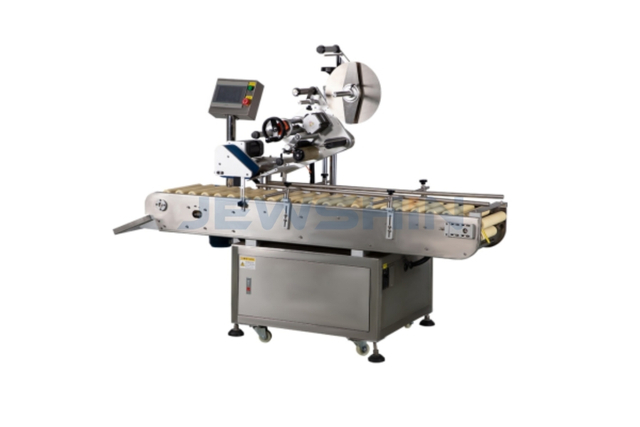
After-sales support determines how consistently packaging equipment performs after installation. A manufacturer with responsive service, spare parts availability, and technical training can reduce downtime by 30%–50% in many industrial environments. Since packaging machines often operate for 10–20 years, service quality affects maintenance costs, production stability, and equipment lifespan.
Packaging machinery is a long-term investment that requires support beyond delivery. A machine may work well during factory testing, but actual production conditions can include different materials, speeds, operators, and environmental factors. Without reliable technical assistance, small problems can become production delays.
“A packaging machine is not only purchased for its initial performance. Its long-term operation depends on the manufacturer’s ability to provide continuous technical support.”
After-sales service helps manufacturers maintain stable production because packaging systems contain multiple connected components, including mechanical parts, electrical systems, sensors, pneumatic devices, and software controls. According to manufacturing studies published in recent years, unplanned downtime can reduce annual production efficiency by approximately 5%–20%, especially in highly automated facilities.
A professional supplier usually provides several types of support:
| Service Type | Practical Impact |
|---|---|
| Remote technical assistance | Shortens troubleshooting time |
| On-site engineering service | Handles complex equipment issues |
| Spare parts management | Reduces waiting periods |
| Operator training | Improves daily machine handling |
| Maintenance planning | Helps prevent unexpected failures |
The availability of spare parts is one factor companies should review before purchasing packaging equipment. Many production lines rely on specific motors, controllers, sensors, and customized components. If replacement parts are unavailable, a single component failure can stop an entire production process.
Manufacturers with established supply systems can provide frequently used components faster. In industries such as food, beverage, cosmetics, and pharmaceuticals, production schedules are often tightly controlled, and delayed repairs can affect delivery plans.
For example, automated systems used for bottle labeling, carton packaging, and flexible packaging require accurate adjustment of mechanical and electronic components. Equipment such as labeling and sleeve labeling machines often requires regular calibration because label materials, container shapes, and production speeds may change over time.
Technical training is another important part of after-sales support. Even advanced machinery requires skilled operators who understand machine settings, cleaning procedures, and basic troubleshooting methods.
A manufacturer that provides structured training can help customers reduce operation errors. Industry reports from manufacturing facilities show that proper operator training can improve equipment utilization by around 10%–25%, depending on production conditions and machine complexity.
Training services may include:
-
Installation guidance
-
Operator instruction
-
Maintenance education
-
Troubleshooting procedures
-
Safety operation training
These services allow factory teams to solve common issues faster instead of waiting for external technicians.
Better training also supports preventive maintenance, which helps extend equipment service life. Many packaging machines are designed to operate for more than 10 years, but regular inspections and component replacement schedules are required to maintain performance.
Preventive maintenance programs usually include checking lubrication systems, electrical connections, sensor accuracy, mechanical alignment, and software settings. According to reliability engineering research, planned maintenance can reduce unexpected equipment failures by 20%–40% compared with only repairing machines after breakdowns.
“Regular inspection and scheduled maintenance help packaging equipment maintain stable performance during years of daily operation.”
After-sales support also shows the engineering capability of a packaging machinery manufacturer. Suppliers with experience in different industries can provide better recommendations when customers change packaging materials, increase production speed, or introduce new product sizes.
A company producing beverages may need different solutions from a pharmaceutical manufacturer because packaging requirements, hygiene standards, and production environments are not the same. Manufacturers with broader technical experience can adjust equipment settings and provide suitable improvements.
For businesses evaluating suppliers, after-sales capability can be measured through several practical factors:
| Evaluation Point | Questions to Consider |
|---|---|
| Response time | How quickly can technical support reply? |
| Service network | Are engineers available when needed? |
| Spare parts | Are common components easy to obtain? |
| Training system | Are employees properly trained? |
| Warranty policy | What support is included after purchase? |
A supplier that offers a lower machine price may not always provide lower total costs. Maintenance delays, production interruptions, and additional repair expenses can increase operating costs over several years.
For example, if a packaging line loses 4 hours of production every month because technical support is slow, annual lost production time can exceed 48 hours. In factories operating continuously, this can create significant financial differences compared with choosing a manufacturer that provides faster assistance.
Digital service technologies are also changing after-sales support. Since around 2020, more packaging machinery manufacturers have introduced remote monitoring, online diagnostics, and data-based maintenance services.
These systems allow engineers to review machine conditions, identify abnormal operation patterns, and provide recommendations without always visiting the factory. Remote support can reduce service response time from several days to several hours in some cases.
“Modern after-sales service combines engineering experience with digital tools to improve equipment reliability.”
The length and quality of customer support should also match the expected operating period of the equipment. A packaging machine purchased today may still be operating after 2035, so companies need suppliers that can provide software updates, replacement components, and technical guidance over many years.
A strong after-sales system includes:
-
Long-term spare parts availability
-
Regular maintenance recommendations
-
Technical documentation
-
Software support
-
Continuous communication channels
Selecting a packaging machinery manufacturer requires looking beyond the machine specifications. Production speed, accuracy, and automation level are important, but service capability determines how effectively the equipment performs during daily operation.
A reliable after-sales support system helps companies maintain production efficiency, reduce downtime, and extend equipment lifespan. When comparing manufacturers, companies should evaluate not only what equipment is delivered but also what technical support will be available throughout the machine’s working life.
Manufacturers that provide complete after-sales services create a more stable relationship with customers and help factories achieve consistent packaging performance for many years.